

Orthopaedic Advocacy
TOA is the only organization that focuses 100 percent of its advocacy efforts on issues that affect Texas orthopaedic surgeons and their patients.

You Can’t Opt Out: Why Every Orthopaedic Surgeon Has to Engage in Public Policy
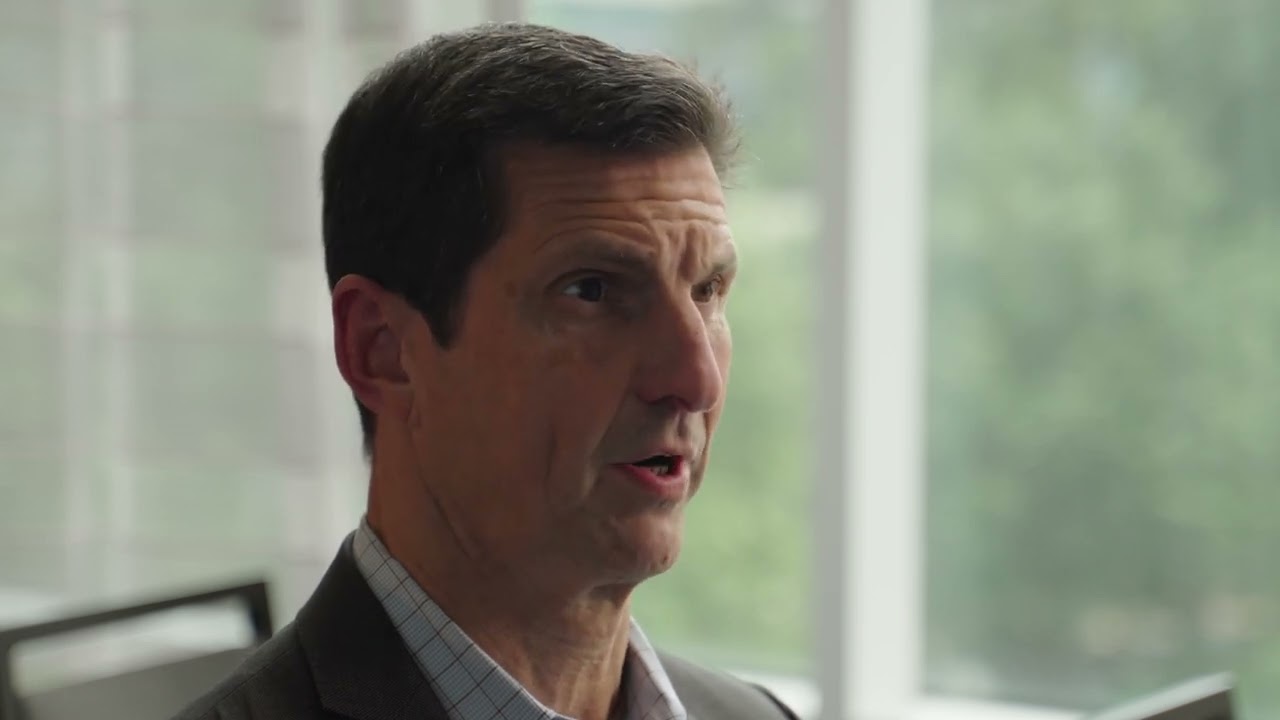
Texas orthopaedic surgeons explain how public policy shapes every aspect of their practice — from the exam room to the operating room. Whether they like it or not, physicians have no choice but to engage in the process that governs how they care for patients.
As the ultimate patient advocates, orthopaedic surgeons can’t afford to sit out the policy conversation — too much of patient care depends on the decisions being made.
Watch the VideoYour Practice Depends on Public Policy
Laws and regulations touch every aspect of an orthopaedic practice. As a result, orthopaedic surgeons have no choice but to engage in the public policy process.


The Issues
TOA members can turn to their TOA email newsletters for a deep dive into these issues. TOA’s newsletters are only available to TOA members.
Prior Authorization
Texas enacted the nation’s model prior auth gold card law in 2019 through HB 3459.
Workers’ Comp
Texans rely on orthopaedic surgeons to get them back to work.
Patient Protections
The musculoskeletal system is complicated, which is why the Texas Legislature determines appropriate licensing for each clinician.
Commercial Insurance
Congress looked to Texas for the nation’s model out-of-network law, SB 1264.
Military Treatment Facilities
Texas features the nation’s premier military treatment facilities, and orthopaedic surgeons play a vital role.
Sports Medicine
Orthopaedic surgeons are on the sidelines for all of the state’s sports teams, and laws and regulations play a role.
Musculoskeletal Health
From scoliosis to bone density screenings, orthopaedic surgeons are improving musculoskeletal health.
Coordinated Care Models
Orthopaedic surgeons are leading teams in coordinated care models across Texas.
The Musculoskeletal System Is Complicated
Orthopaedic surgeons utilize both surgical and non-surgical techniques to treat the complex musculoskeletal system, which controls bones, joints, ligaments, tendons, muscles, and nerves.
The treatment of musculoskeletal injuries and conditions is one of the most complex acts in medicine. Orthopaedic surgeons must complete four years of medical school, five years in a residency, and typically one year in a fellowship before beginning independent practice.
Learn About Training

Standing Up for Patients: The Surgeon as Advocate
Craig Callewart, MD, an orthopaedic spine surgeon in Dallas, looks at one of the most overlooked parts of practicing medicine: being an advocate for your patients.
When a health plan denies care or challenges a recommended treatment, someone has to stand up for the patient. As Dr. Callewart explains, that responsibility most often falls to the surgeon.
He shares what patient advocacy looks like day to day — and why he believes that if the physician isn’t willing to challenge the system on a patient’s behalf, no one else will.
Watch Dr. CallewartAdvocacy Opportunities
Learn more about how to be an advocate for your patients and for the future of orthopaedic care in Texas.
Stay Informed Through TOA Updates
TOA members receive regular e-mail updates that cover emerging issues. TOA uses the updates to educate members about the issues that affect their practices and patients.
Build Relationships With Lawmakers
TOA encourages orthopaedic surgeons to build relationships with their state and federal lawmakers and aides so they can turn to you on musculoskeletal issues.
Visit Austin & Washington, DC
Over a dozen Texas orthopaedic surgeons and residents visit Washington, DC, every September to advocate on behalf of Texas orthopaedic surgeons and their patients.
Residents: Developing Future Advocates
TOA is building the future of orthopaedics in Texas by sponsoring travel for several Texas orthopaedic residents to visit Capitol Hill in Washington every year.